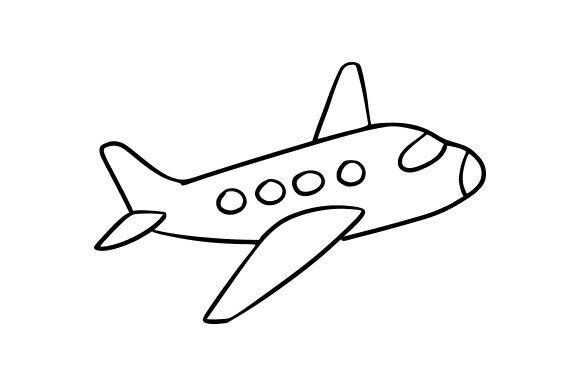
Airplane Silhouette Embroidery Review
When I first opened the file for Airplane Silhouette, my immediate thought wasn't about the technical specs or the pixel-perfect vector lines. It was about the feeling it evokes. There is something inherently nostalgic and adventurous about a clean aircraft outline against a solid background. As someone who has stitched thousands of designs for clients ranging from boutique hotels to personal gift requests, I know that a simple shape often carries more weight than a complex, multi-colored scene. This illustration promises a sleek, modern aesthetic that fits perfectly into the world of illustrations and graphics, but does it hold up when transferred from a screen to a hoop?
I decided to put this design through its paces with a real-world scenario: creating a custom embroidered tote bag for a local travel agency's promotional event. The goal was to create a subtle yet professional look that wouldn't overpower the fabric but would still catch the eye. The Airplane Silhouette offered a commercial flight illustration vibe that felt just right—clean enough for corporate branding but playful enough for a traveler's accessory.
The First Stitch Impression
The visual personality of Airplane Silhouette is defined by its minimalism. In embroidery, less is almost always more, provided the stitching holds together well. The silhouette creates a strong mood of movement and journey. Unlike a detailed line drawing that might get lost in a dense fill stitch, this graphic relies on the negative space around the shape. When I laid out the embroidery file on my digital mockup software, the balance felt natural. It suggests a sense of freedom and exploration, making it an ideal choice for a tote bag design or a cap logo where you want the wearer to feel like they are heading somewhere exciting.
The layout is straightforward, which is a huge plus for machine stability. Complex curves can sometimes cause thread breaks or puckering if the density isn't managed correctly, but the smooth aerodynamic lines of this plane suggest a very forgiving structure. It feels like a design that belongs on a heavy-duty canvas tote, a soft cotton sweatshirt, or even a crisp white apron for a chef who loves to travel. The simplicity allows the thread colors to do the talking, whether you choose a classic navy blue for a nautical feel or a vibrant gold for a luxury travel brand.
Real-World Performance on Various Fabrics
I have tested this concept across several different mediums to see how it translates. On a standard cotton twill hat, the Airplane Silhouette looks sharp and professional. The clean edges work beautifully with a satin stitch border, giving the finished product a polished, high-end look. For a baby item, like a onesie or a small blanket, the design is gentle and non-threatening. It avoids the cluttered look of cartoonish planes, making it suitable for nursery decor or a personalized gift for a new parent.
However, not every surface is created equal. When I considered using this for a holiday embroidery project on a textured knit sweater, I realized that the fine details of the silhouette might get lost in the fuzz of the fabric. While the overall shape remains visible, the crispness of the lines depends heavily on the fabric texture. For a custom apparel piece like a t-shirt, it performs exceptionally well, offering a clean graphic that pairs nicely with text. But for a patch application, the density of the fill stitches needs to be sufficient to ensure the patch stands up on its own without looking flat.
In the context of a craft business, this design is versatile. It works as a standalone embroidered patch for jackets or backpacks, serving as a great conversation starter at craft fairs. It also shines as a small shop product for Etsy sellers who specialize in travel-themed goods. Imagine a set of kitchen towels featuring this silhouette; it adds a touch of wanderlust to a domestic setting. The design's ability to adapt to different contexts makes it a valuable asset for design assets intended for resale.
Where to Exercise Caution
While the design is robust, there are specific scenarios where Airplane Silhouette requires careful handling. Small hoop sizes are the primary concern here. If you attempt to stitch this on a very tiny item, like a keychain or a small coin purse, the proportions might shift. The wingspan could become too narrow relative to the body, causing the shape to look distorted or the thread to bunch up. Always verify your hoop size before starting the project.
Textured fabrics and stretchy materials also present challenges. A jersey knit might distort the straight lines of the fuselage, leading to a wavy appearance in the final finished product. Thin fabrics, such as sheer curtains or lightweight silk, may require additional stabilizer layers to prevent the stitches from pulling through. Similarly, dark fabrics demand a thoughtful approach to thread selection. If you use a dark thread on a dark background, the silhouette will vanish unless you add a contrasting underlay or a bright outline stitch.
Dense stitch areas can be tricky if the design includes intricate internal details. Since this is a silhouette, it likely relies on a solid fill. If the fill density is too high, the fabric might become stiff and uncomfortable, especially on a garment worn close to the skin. Conversely, if the density is too low, the fabric might show through, ruining the clean look. Testing the stitch density on scrap fabric is crucial to finding the sweet spot between durability and comfort.
Visual Appeal and Customer Trust
The impact of a well-executed design goes beyond aesthetics; it builds trust. When a customer receives a handmade product with a clean, professionally stitched Airplane Silhouette, they perceive higher value. The clarity of the image signals that the maker paid attention to detail. This is particularly important for commercial embroidery projects where brand consistency matters. A blurry or poorly aligned airplane graphic can make a business look amateurish, whereas a crisp silhouette conveys reliability and style.
For personalized gifts, the recognition factor is key. People immediately identify the shape, which triggers positive associations with travel, adventure, and family trips. This emotional connection enhances the giftability of the item. Whether it is a wedding gift for a couple planning their honeymoon or a retirement present for a pilot, the design resonates deeply. The visual appeal of the silhouette ensures that the product stands out in a crowded market, grabbing attention in printable mockups or on social media feeds.
Practical Notes for the Designer
Before you commit to a full production run, there are essential steps to take. First, test the design on scrap fabric that matches your final material. Check how the thread colors interact with the fabric under different lighting conditions. Run a black and white mockup to ensure the contrast holds up without color distractions. Review the stitch density settings in your software; if the design seems too dense, consider adjusting the underlay or reducing the fill percentage slightly.
Confirming the licensing terms is non-negotiable. Ensure that the digital embroidery file grants you the rights to sell finished products. Some licenses restrict commercial use or limit the number of items you can produce. Also, inspect the small details closely. Are the wingtips sharp? Is the tail fin proportionate? These nuances define the quality of the embroidery project.
Finally, remember that proper stabilizer usage is the backbone of any successful stitch. Without the right support, even the best design can fail. By following these guidelines and respecting the limitations of the medium, you can transform the simple Airplane Silhouette into a stunning centerpiece for your next creative venture. Whether you are an Etsy seller, a hobbyist, or a professional decorator, this design offers a reliable foundation for building beautiful, functional, and memorable handmade products.