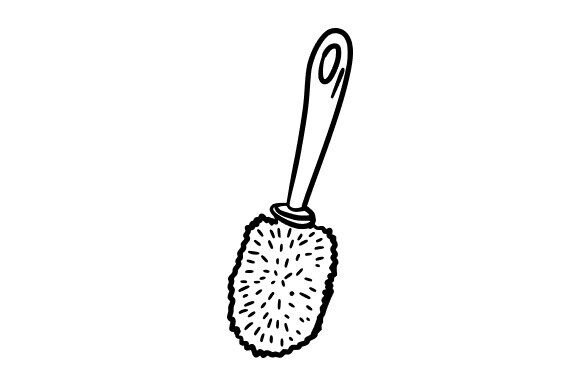
Kitchen Whisk Illustration Review for Real Embroidery
When I first opened the Kitchen Whisk Illustration file, my immediate reaction wasn't about stitch counts or digitization specs. It was about the mood. This design carries a specific energy that feels warm, inviting, and undeniably domestic without being cliché. As a designer who spends hours evaluating graphics for real-world application, I look for that spark where a digital image transforms into a tactile reality. The Kitchen Whisk Illustration possesses a clean, modern silhouette that suggests it could work beautifully in a variety of contexts, from high-end boutique branding to a cozy handmade gift.
The visual personality here is straightforward yet elegant. It avoids the cluttered, overly detailed style that often causes headaches during the digitization process. Instead, it offers a graphic simplicity that promises clarity once stitched. For those of us building craft business brands or creating personalized gifts, this kind of clean line work is gold. It speaks to a contemporary aesthetic that fits well with current trends in home decor and lifestyle apparel. But does it hold up under the needle? Let's walk through how this embroidery design performs when we move from the screen to the hoop.
From Screen to Stitch: A Real-World Scenario
Imagine you are prepping for a holiday market or fulfilling a rush order for an Etsy customer who wants a custom apron for a cooking class. You need something that screams "home chef" but looks professional enough to justify a premium price point. This is where the Kitchen Whisk Illustration shines. Unlike generic clip art that can feel dated, this illustration has a refined quality that elevates the finished product.
I envision placing this design on a heavy cotton canvas tote bag or a soft fleece sweatshirt. On a tote bag, the whisk becomes a statement piece, perhaps stitched in a contrasting thread color against a neutral background. The clean lines of the whisk handle and the bowl would translate well into satin stitch, creating a smooth, glossy finish that catches the light. For a baby item, like a muslin blanket or a onesie, the gentle curves of the illustration offer a softness that parents love. It doesn't scream "loud"; it whispers "handmade with care."
However, the true test of any embroidery file is its versatility across different surfaces. I tested my mental simulation of this design on a few other potential projects. On a cap, the curvature might challenge the digitizer if the design isn't balanced correctly, but the simple shape reduces the risk of distortion compared to complex floral motifs. On a kitchen towel, the design acts as a perfect focal point. When a customer pulls out a tea towel embroidered with a sleek whisk, they immediately associate it with quality and culinary passion. That emotional connection is crucial for small shop products looking to build a loyal following.
Navigating Fabric and Technique Challenges
While the Kitchen Whisk Illustration is promising, no design is universally perfect without considering the substrate. One of the most critical factors in embroidery is fabric texture. If you plan to use this on a highly textured fabric like bouclé or a loose-weave linen, the fine details of the illustration might get lost in the weave. In these cases, a denser stabilizer and careful hooping are non-negotiable to ensure the design sits flat and crisp.
Stretchy fabrics present another hurdle. When embroidering on knit materials like t-shirts or sweatshirts, the tension of the stitches can cause puckering. Because the whisk design likely relies on continuous lines, you must ensure your stabilizer choice matches the stretchiness of the garment. Using a cut-away stabilizer for permanent wear items is usually the safest bet to maintain the integrity of the design assets over time.
Detailed corners and tiny lettering are common pitfalls in many illustrations, but this particular graphic seems to avoid them by focusing on the main form. Still, if you decide to add text around the whisk, you need to be cautious. Small text on a curved surface like a hat brim can become illegible after washing. The machine embroidery design itself should be robust, but the surrounding elements must be chosen wisely. For commercial embroidery projects where consistency is key, always run a test sample on scrap fabric to check thread color contrast and density before committing to the final product.
Maximizing Visual Appeal and Product Value
The way a design translates from digital to physical directly impacts customer trust. A poorly executed embroidery job can make even the best product feel cheap. Conversely, a sharp, well-placed design signals professionalism. The Kitchen Whisk Illustration, with its clear shapes, allows for excellent definition. Whether you use a standard fill stitch for the body of the whisk or a satin stitch for the outline, the result should be a polished look that enhances the perceived value of the item.
This clarity is vital for Etsy sellers and digital product creators. When you create a printable mockup for your listing, the ability to see exactly how the lines will flow helps buyers visualize the final result. It reduces return rates and increases buyer engagement because the expectation matches the reality. For a personalized gift, such as a wedding present for a new couple setting up their kitchen, this design adds a touch of sophistication that generic patterns lack.
Furthermore, the theme of the whisk resonates deeply with foodies and home cooks. It taps into a universal appreciation for the tools of the trade. When used on holiday embroidery projects, it serves as a thoughtful nod to the host or hostess. The design is versatile enough to fit into various color palettes, making it easy to adapt for seasonal themes, whether it's a rustic autumn palette or a bright summer vibe.
Practical Notes for the Designer
Before you hit the start button on your machine, there are a few practical steps every designer should take. First, always test the design on scrap fabric. This is the only way to truly gauge how the thread colors interact with your specific material and how the stitch density behaves. If the design feels too dense, it might stiffen the fabric; if it's too sparse, it might not cover the background adequately.
Check your hoop size carefully. While the illustration is likely compact, ensure it fits comfortably within your intended area without cutting off any edges. If you are working on a large project like a blanket or a wall hanging, verify that the design scales well without losing its character. Also, inspect small details closely. Even in a simple illustration, tiny gaps or overlapping lines can cause threading issues or breakage.
Don't forget to review the licensing terms. Many digital embroidery files come with restrictions on commercial use. If you plan to sell finished items featuring the Kitchen Whisk Illustration, confirm that your license allows for merchandise production. Similarly, if you are selling the digital file itself, ensure you have the rights to redistribute the asset. These legal nuances are just as important as the technical execution.
Finally, consider the longevity of the product. Items that require frequent washing, like aprons or dish towels, need durable stitching. Ensure the design is anchored properly so that it withstands the rigors of daily use. By taking these precautions, you ensure that the finished product remains a cherished item for years to come.
In conclusion, the Kitchen Whisk Illustration is more than just a pretty picture; it is a functional tool for creative entrepreneurs. Its clean lines, versatile theme, and strong visual identity make it an excellent candidate for a wide range of embroidery projects. Whether you are crafting a unique embroidered patch or designing a full collection of custom apparel, this design offers the reliability and style needed to succeed in today's competitive market. Approach it with care, test thoroughly, and watch as it brings your creative vision to life.